
Why customers bring snapped keys to Armalock Locksmiths
Careful extraction method
We focus on removing the fragment while protecting the parts around it.
Fault checked afterwards
The lock is tested so the reason behind the key breakage is not ignored.
Follow-on fixes available
Repair, replacement or new key work can be arranged from the same visit.
Removing the broken piece without adding more damage
When a key snaps in the lock, the instinct is often to keep trying it, but that can make the situation worse. Keys usually break because of wear, a damaged cut, stiffness inside the lock or extra force on a door that is not aligned properly. We carry out careful extraction of the lodged piece and assess the condition of the surrounding parts before more strain is put on them. With Armalock Locksmiths, you get a practical response that focuses on the cause as well as the fragment left behind.
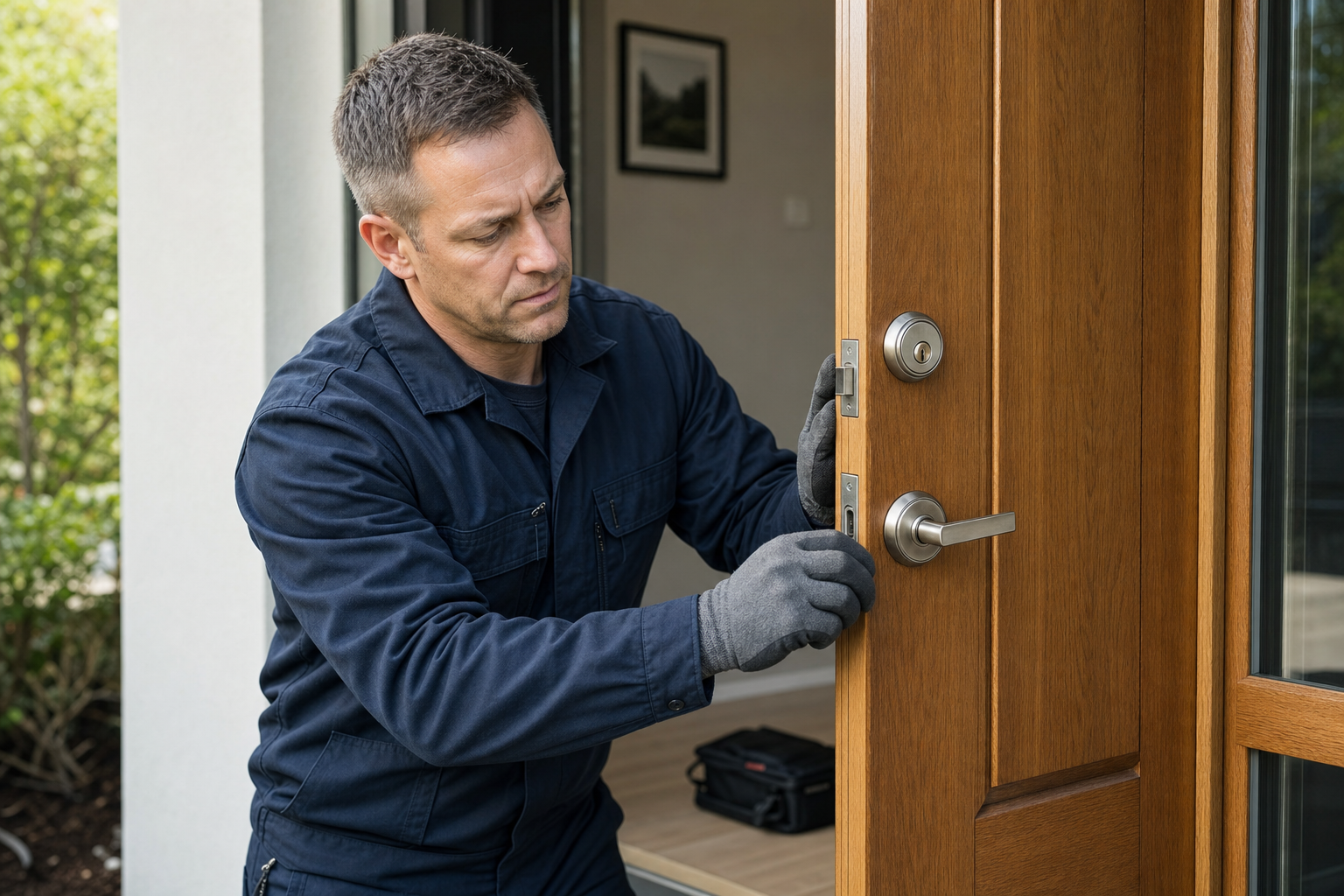

After the key is out, we check why it broke
Removing the broken section is only the first part of the job. Once the fragment is out, we test the lock to see whether wear, misalignment or an internal fault contributed to the breakage. That matters because copying a broken pattern back into the same fault can leave you with another problem very quickly. Armalock Locksmiths can then explain whether the next step should be lock repair, full replacement or replacement-key work, depending on what the condition of the lock and remaining key shows.
Frequently asked questions
What should I do if my key snaps in the lock?
Stop turning the lock and avoid pushing the fragment further in. If you have recovered any part of the key, keep it safe, as that can help with assessment later. The important thing is not to add more force, especially if the door or lock already felt stiff before the break.
Can a broken key mean the lock is faulty?
Yes. A key may snap because it is worn, but it can also be a sign that the lock is stiff, damaged or under strain from poor alignment. That is why we do not treat extraction as the whole answer if the lock itself is showing signs of trouble.
Will I always need the lock replaced afterwards?
Not always. Some locks are still suitable once the broken part is removed and the mechanism has been checked. Others are too damaged or too unreliable to trust again. We assess the condition after extraction and explain the sensible next step based on what we find.